

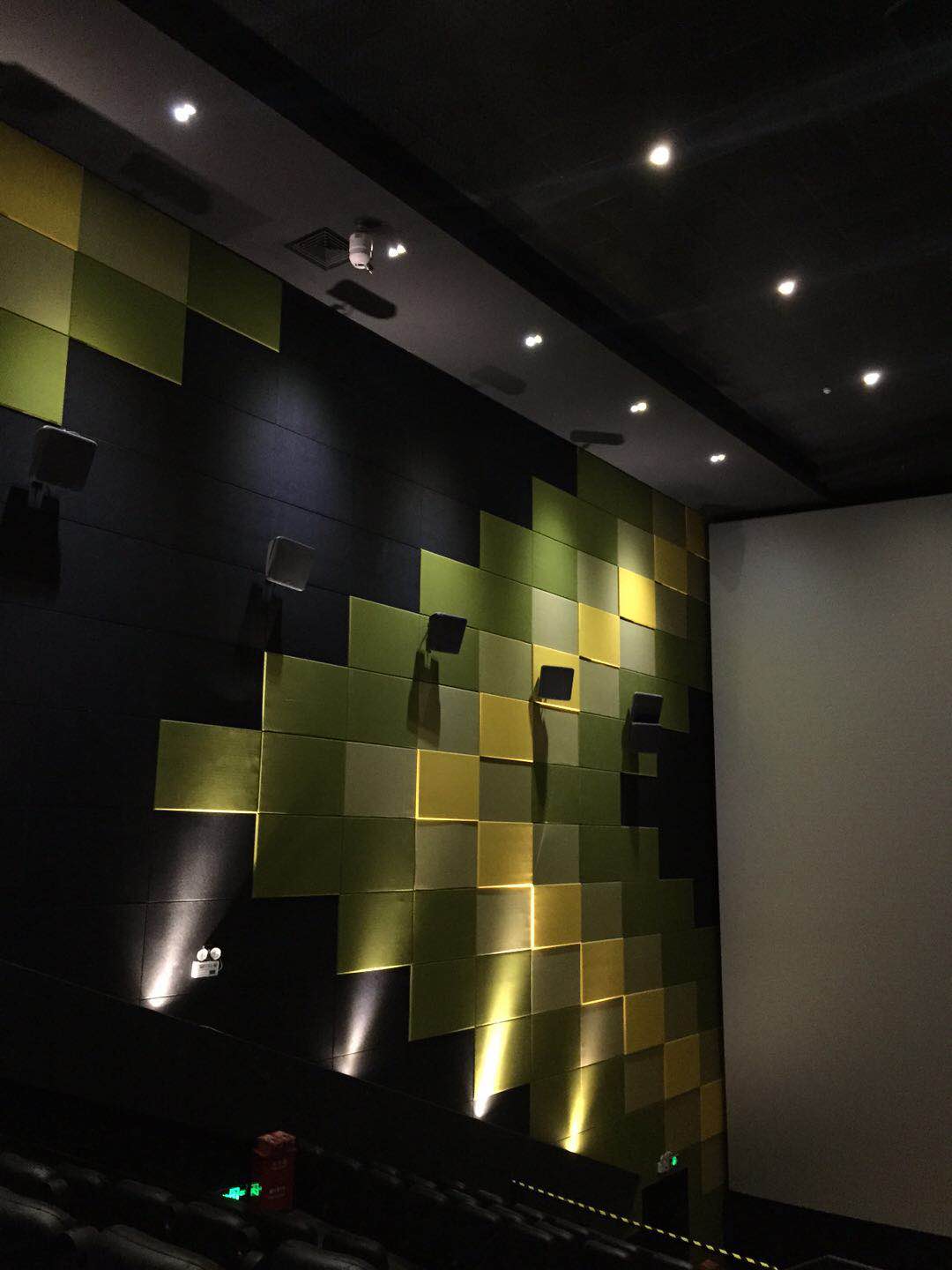
As modern architecture continues to favor open layouts, minimalist aesthetics, and hard surface materials, indoor acoustic comfort has become an increasingly important part of interior design. From offices and hotels to residential spaces and commercial environments, acoustic wall panels are now widely recognized as both a functional and decorative solution.
Open ceilings, glass partitions, stone flooring, and large shared spaces often create unwanted echo and reverberation. Acoustic wall panels help absorb reflected sound, improving speech clarity and creating a more comfortable environment for work, communication, and relaxation. Industry trends show growing demand for acoustic treatments in modern interiors.
Today’s acoustic panels are no longer limited to purely functional designs. Modern upholstered panels, PET felt systems, wooden acoustic panels, and decorative geometric wall solutions allow designers to combine sound control with visual aesthetics. This balance between acoustic performance and interior styling is becoming a key consideration in commercial and residential projects alike.
In workplaces, acoustic wall systems help reduce distractions and improve communication in open-plan offices and meeting rooms. In hospitality environments such as hotels, lounges, and restaurants, acoustic treatments contribute to a quieter and more welcoming atmosphere. Residential projects are also increasingly adopting acoustic panels for living rooms, home theaters, and multifunctional spaces.
Sustainability is another major factor driving the acoustic materials industry forward. Many manufacturers are now focusing on environmentally friendly acoustic materials, including recycled PET felt and low-emission decorative finishes, to meet green building requirements and modern environmental standards.
As the demand for comfortable indoor environments continues to grow, acoustic wall panels are evolving from optional decorative elements into essential components of modern architectural design.