

In daily life, "sound insulation" and "sound absorption" are often confused. Although both are related to noise control, they have essential differences — simply put, sound insulation is "blocking sound from entering and exiting", while sound absorption is "absorbing sound in the room", just like equipping the space with different "acoustic protection equipment".
The core of sound insulation is "blocking transmission", which is like putting a dense "protective suit" on the space to prevent sound from penetrating between different spaces. It targets noise "coming from the outside" or "spreading from the inside". For example, soundproof windows of houses facing the street and soundproof doors of meeting rooms use high-density, well-sealed materials (such as double-layer laminated glass and heavy soundproof panels) to reduce sound transmission. High-quality soundproof materials can reduce noise by more than 30 decibels, protecting the room from external interference and preventing indoor sound from affecting others.
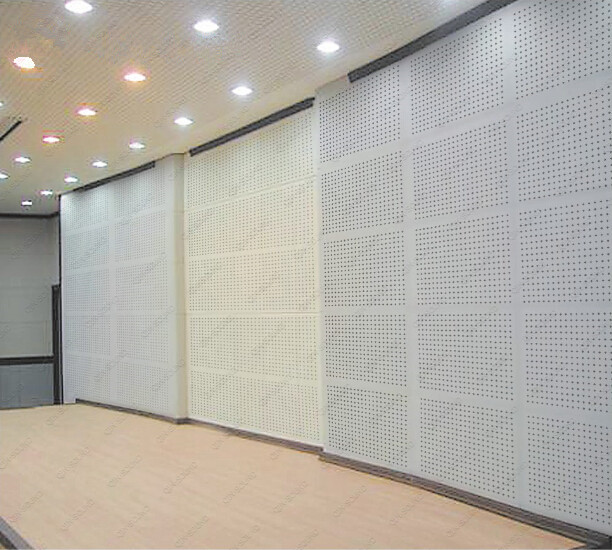
The core of sound absorption is "absorbing energy", which is more like placing a "sponge" in the space to absorb the sound that has entered the room and reduce sound wave reflection and reverberation. For example, sound-absorbing panels in empty meeting rooms and carpets and curtains at home are mostly porous materials, which can convert sound wave energy into weak heat energy, alleviate echo and sound turbidity, and make the indoor sound softer and clearer, but they cannot block external noise from entering.
The two complement each other but are irreplaceable: to isolate external noise, focus on sound insulation; to improve indoor sound quality and reduce echo, focus on sound absorption. Understanding the difference between the two can accurately solve noise problems and create a comfortable acoustic environment.