

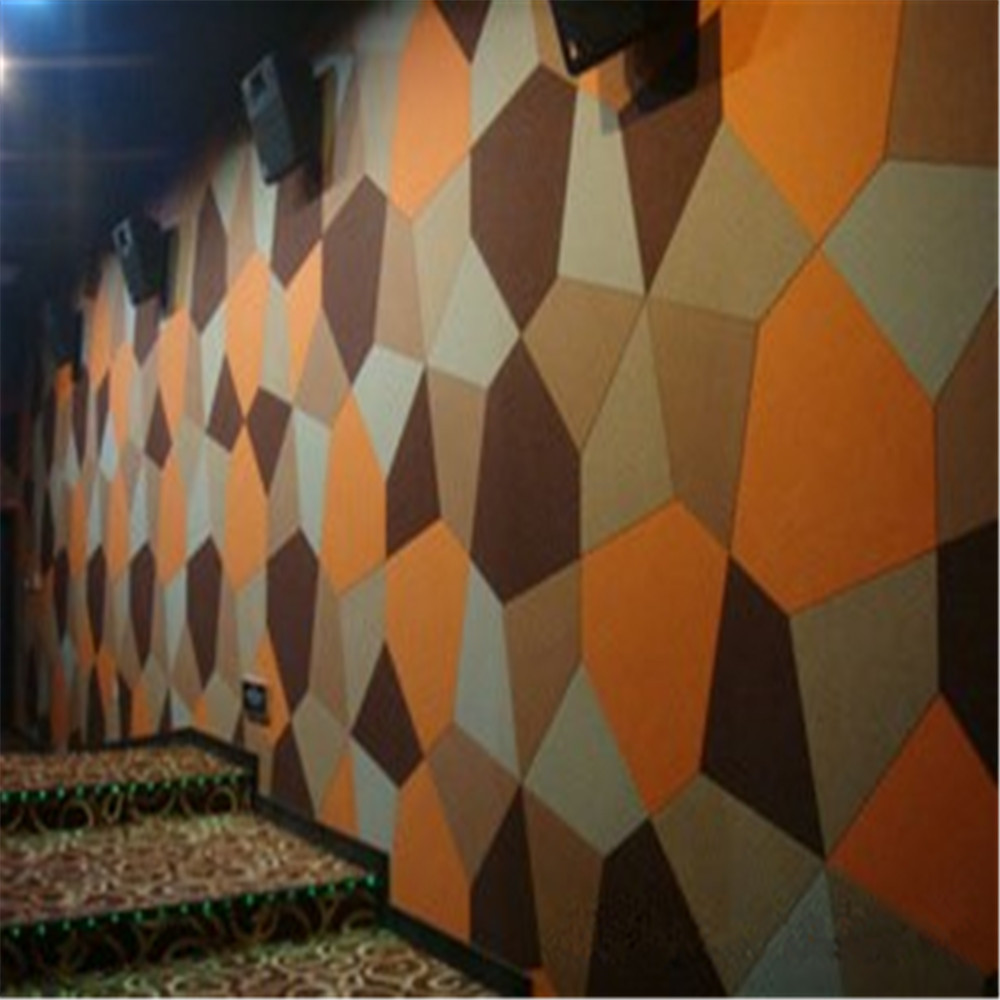
In noise control and sound quality optimization, sound absorption and sound insulation are not isolated. Only by reasonably matching the two can we take into account "isolating external interference" and "optimizing indoor sound quality", and create a quiet and comfortable acoustic space. Many people easily fall into the misunderstanding of "only doing sound absorption or only doing sound insulation", and finally fail to achieve the ideal effect. Mastering the matching logic and precautions of the two can realize efficient acoustic optimization.
First, clarify the core needs: if the main trouble is external noise (such as street traffic noise, neighbor noise), sound insulation should be the core, combined with basic sound absorption; if the main problem is excessive indoor echo and reverberation (such as echo when speaking in an empty room, turbid sound of audio), then focus on sound absorption, supplemented by slight sound insulation. For example, a home audio-visual room needs both sound insulation (to prevent sound from spreading out and affecting neighbors) and sound absorption (to optimize viewing sound quality and reduce echo), both of which are indispensable.
Attention should be paid to the adaptability of materials when matching: sound insulation materials are mostly dense and heavy materials (such as double-layer laminated glass, sound insulation panels, sound insulation cotton), which are mainly used in key sound transmission parts such as walls, doors, windows and floors. During installation, tightness must be ensured to avoid gaps reducing the sound insulation effect; sound absorption materials are mostly porous and light materials (such as polyester fiber sound absorption panels, glass wool, fabric soft decoration), which are often used on walls, ceilings and furniture surfaces. They should be laid evenly to avoid uneven sound quality caused by insufficient local sound absorption.
Common misunderstandings should also be avoided: first, thinking that "sound absorption = sound insulation", blindly laying sound absorption materials, which cannot block external noise; second, over-pursuing sound insulation and ignoring sound absorption, leading to dull and turbid indoor sound; third, improper material selection, such as using sound absorption cotton as the main sound insulation material, or using heavy plates for sound absorption, which cannot give play to their respective advantages.
In addition, the matching focus varies in different scenarios: residential bedrooms focus on sound insulation, combined with a small amount of sound absorption (such as curtains and carpets) to balance quietness and comfort; meeting rooms and classrooms need to take into account both sound absorption and sound insulation to ensure clear speech without affecting the outside world; professional recording studios and audio-visual rooms need precise matching, and calculate the ratio of sound absorption to sound insulation according to the space size and purpose to achieve the best acoustic effect.
Scientifically matching sound absorption and sound insulation can not only isolate external noise, but also make indoor sound clear and soft. Whether it is a home, office or professional place, a high-quality acoustic space that meets the needs can be created through reasonable matching.