

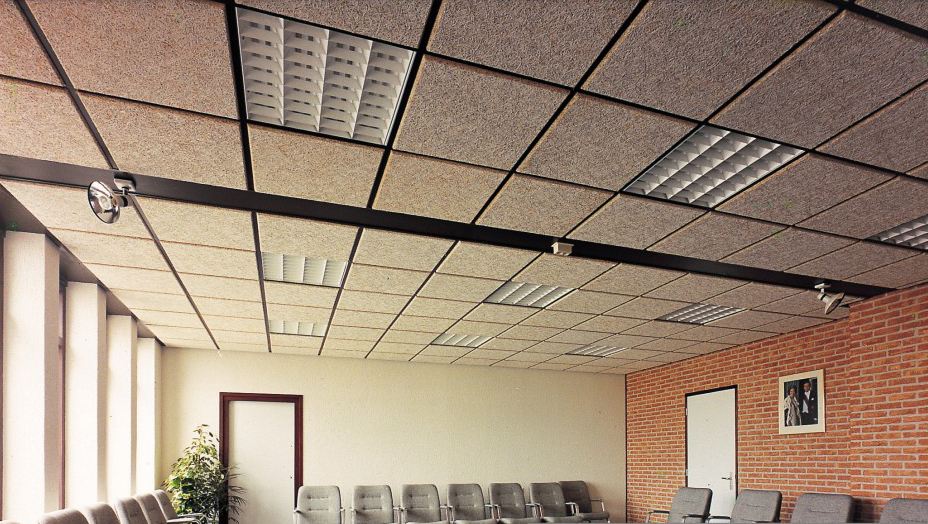
Inter-floor structure-borne noise has long been the primary source of user complaints for multi-story hotels, serviced apartments and high-rise residential buildings. According to statistics from the hospitality industry, noise disturbances caused by footsteps, furniture movement and indoor plumbing account for over 70% of all negative guest reviews related to accommodation experience.
Standard gypsum board ceilings only provide limited airborne sound absorption and cannot block structure-borne vibration transmitted through building floors. Professional multi-layer soundproof ceiling systems adopt a decoupling design with resilient channels, high-density fiberglass insulation and mass-loaded vinyl barriers. This mature structural configuration can raise the overall STC rating to 50–52+, effectively isolating footsteps and low-frequency vibration noise.
In 2026, multiple regional construction associations have updated building codes to raise the minimum STC standard for ceilings of multi-story commercial buildings. Renovation projects targeting noise issues are growing rapidly across North America, Europe and Southeast Asia. Industry analysts forecast that the soundproof ceiling segment will maintain a 3.2% annual growth rate from 2026 to 2032.
For property owners and developers, investing in high-performance soundproof ceiling systems helps reduce after-sales disputes, improve user satisfaction and enhance overall asset value in the long run.