

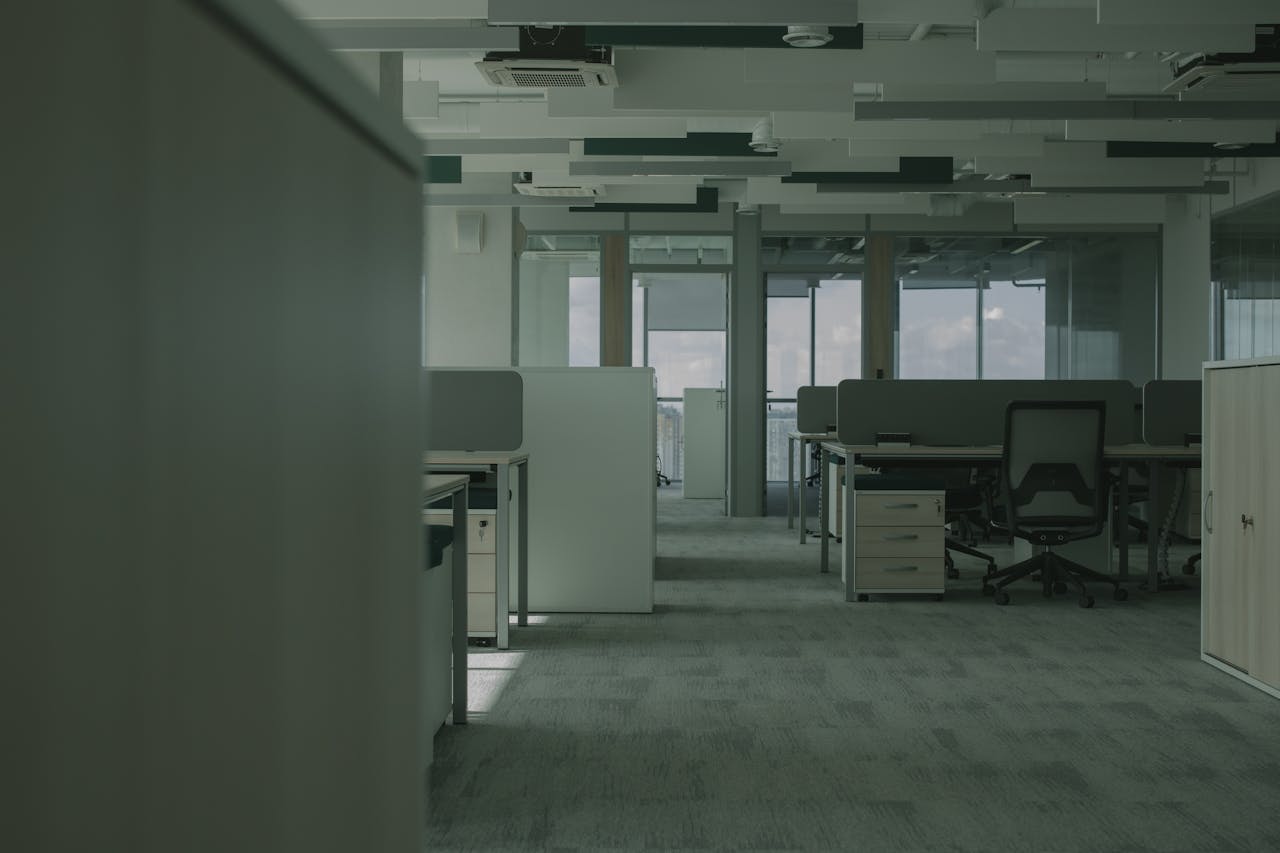
Open-plan layouts have become the default choice for modern corporate offices for their cost-efficiency and flexible space utilization. However, the widespread application of glass partitions and hard reflective surfaces creates severe acoustic defects that plague thousands of global enterprises. Based on the 2026 Office Acoustics Report collected from 500 WELL-certified projects, excessive background noise remains the top complaint among office occupants.
Relevant experimental data from the University of Sydney proves that continuous mid and high-frequency noise such as colleague chatter, keyboard tapping and HVAC hum can reduce employees’ cognitive efficiency by up to 20% and raise long-term stress hormone levels. The core crux of noisy open offices lies in prolonged reverberation time: most untreated open workspaces feature a reverberation time ranging from 1.8s to 2.5s, far exceeding the ideal 0.6s–1.0s recommended for office environments.
Acoustic researchers suggest that targeted material upgrades are the most cost-effective solution. Installing high-NRC acoustic ceiling panels and modular wall absorbers can cut background noise by 30%–40% and optimize reverberation to the standard range. Premium fiberglass ceilings and polyester fiber panels with an NRC rating of 0.85–0.95 are widely recognized as the optimal configuration for open-plan offices, balancing noise absorption, fire safety and minimalist interior aesthetics.
More international enterprises are starting to regard office acoustics as a core welfare indicator, instead of an optional decoration accessory in 2026.